 LocaleKit
LocaleKit Blog
App localization tips, guides, and best practices for iOS, Android, and Flutter developers.
LocaleKit vs Lokalise vs Crowdin: Which Localization Tool Fits Your Team?
Lokalise and Crowdin are cloud-based translation management systems built for teams with dedicated translators. LocaleKit is a developer-first macOS a...
Xcode String Catalogs (.xcstrings): The Complete Guide
Xcode String Catalogs (.xcstrings) replaced .strings and .stringsdict as Apple's recommended localization format in Xcode 15. A single JSON file holds...
How to Localize a React Native App
React Native does not include a built-in localization system. You need a third-party library. The most common setup is react-native-localize for detec...
Test post updated
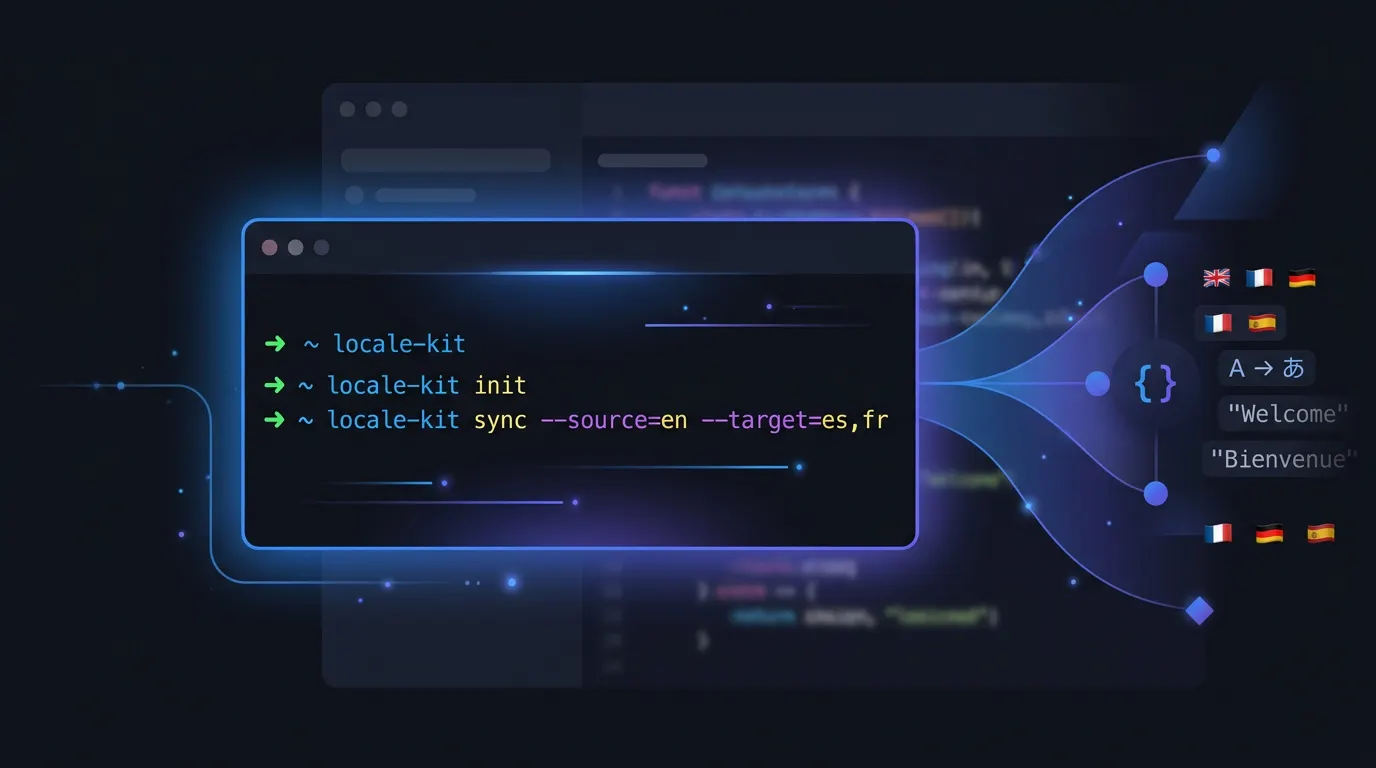
Getting Started with the LocaleKit CLI
The LocaleKit CLI brings app translation into your terminal. One command scans your project for localization files. Another translates missing strings...
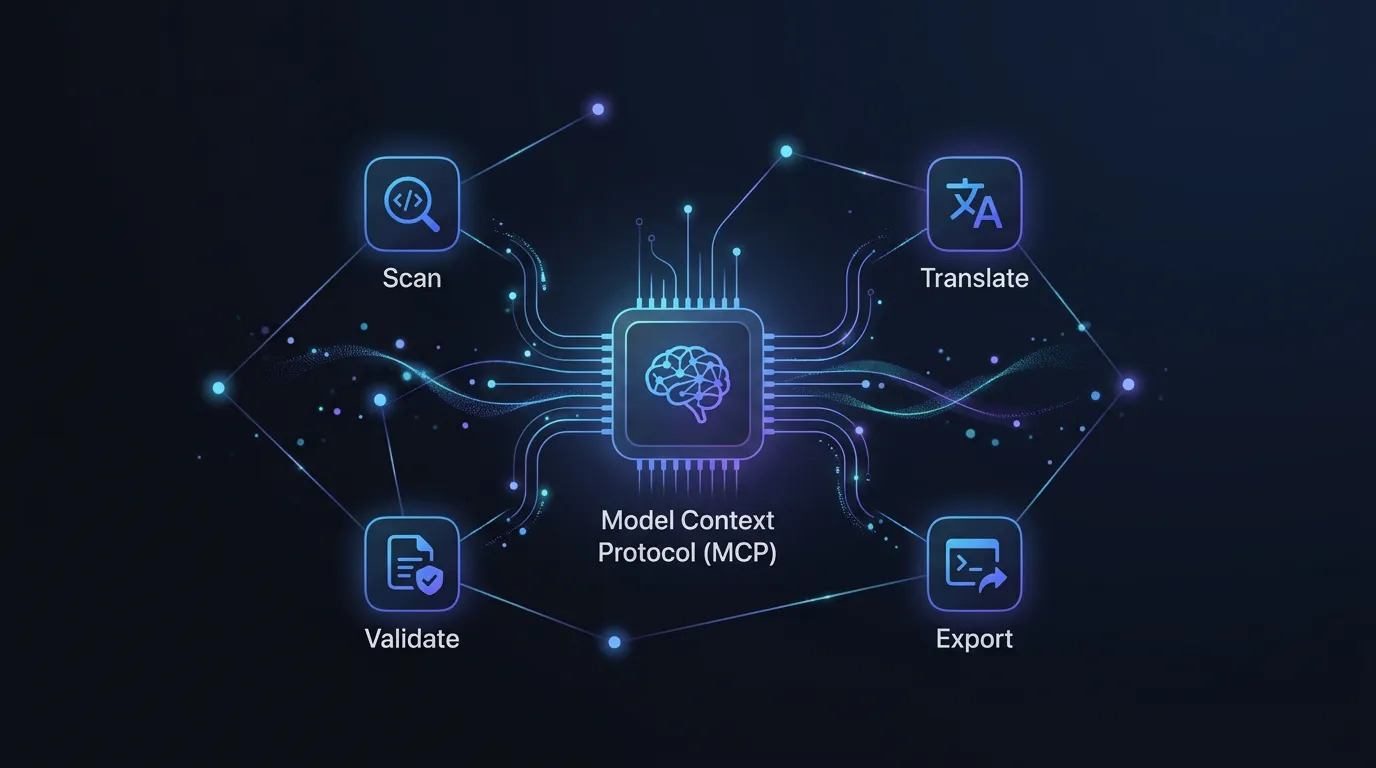
Use LocaleKit with AI Code Editors via MCP
The Model Context Protocol (MCP) lets AI code editors interact with external tools directly. The LocaleKit CLI includes a built-in MCP server that giv...

Translate Your App Locally with LLMs and MLX
Cloud translation APIs send your app strings to external servers. For teams building health, finance, or government apps, that is a compliance problem...

Automate Your Translation Workflow with the LocaleKit CLI
Manual translation management breaks down as your app grows. Every new feature adds strings. Every string needs translation into every target language...
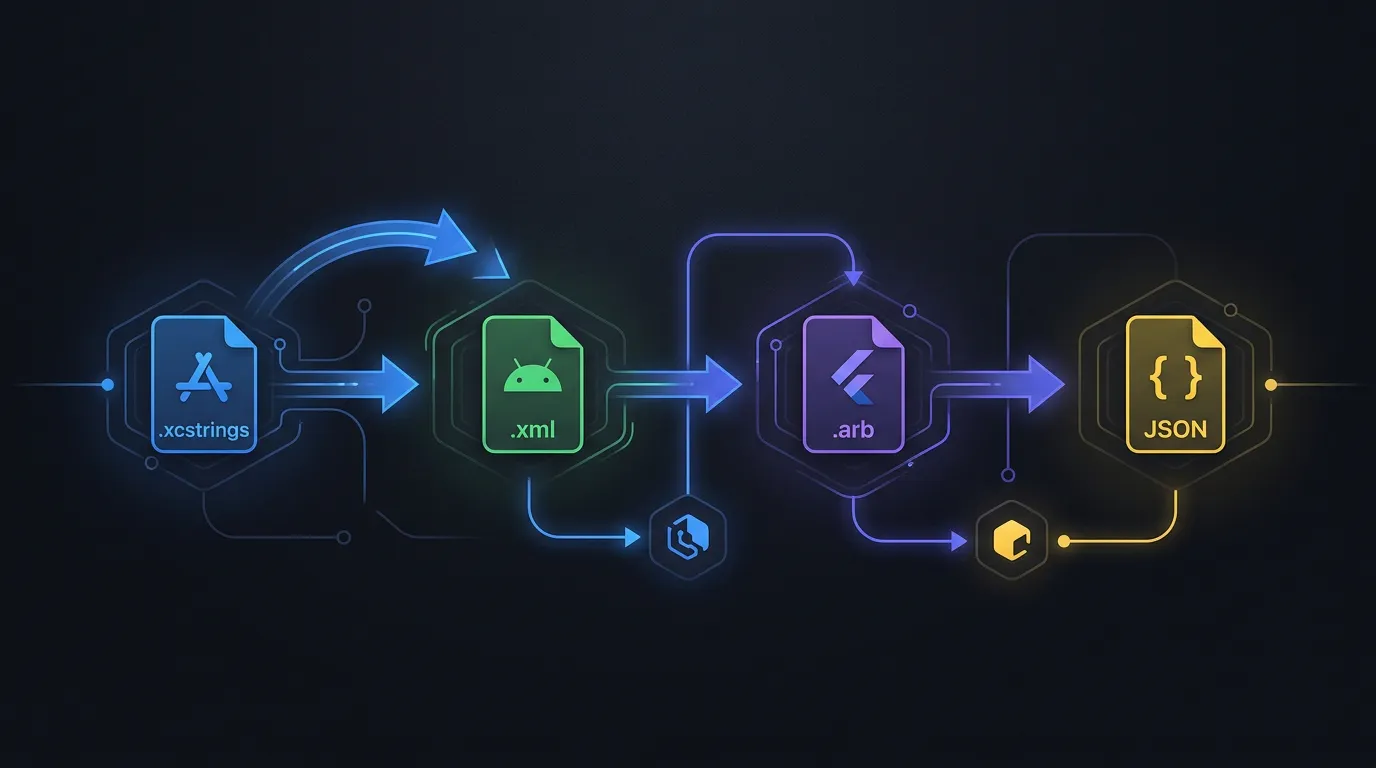
Convert Between Localization Formats with the LocaleKit CLI
Moving between platforms means converting localization files. iOS uses .xcstrings, Android uses strings.xml, Flutter uses .arb, and web frameworks use...
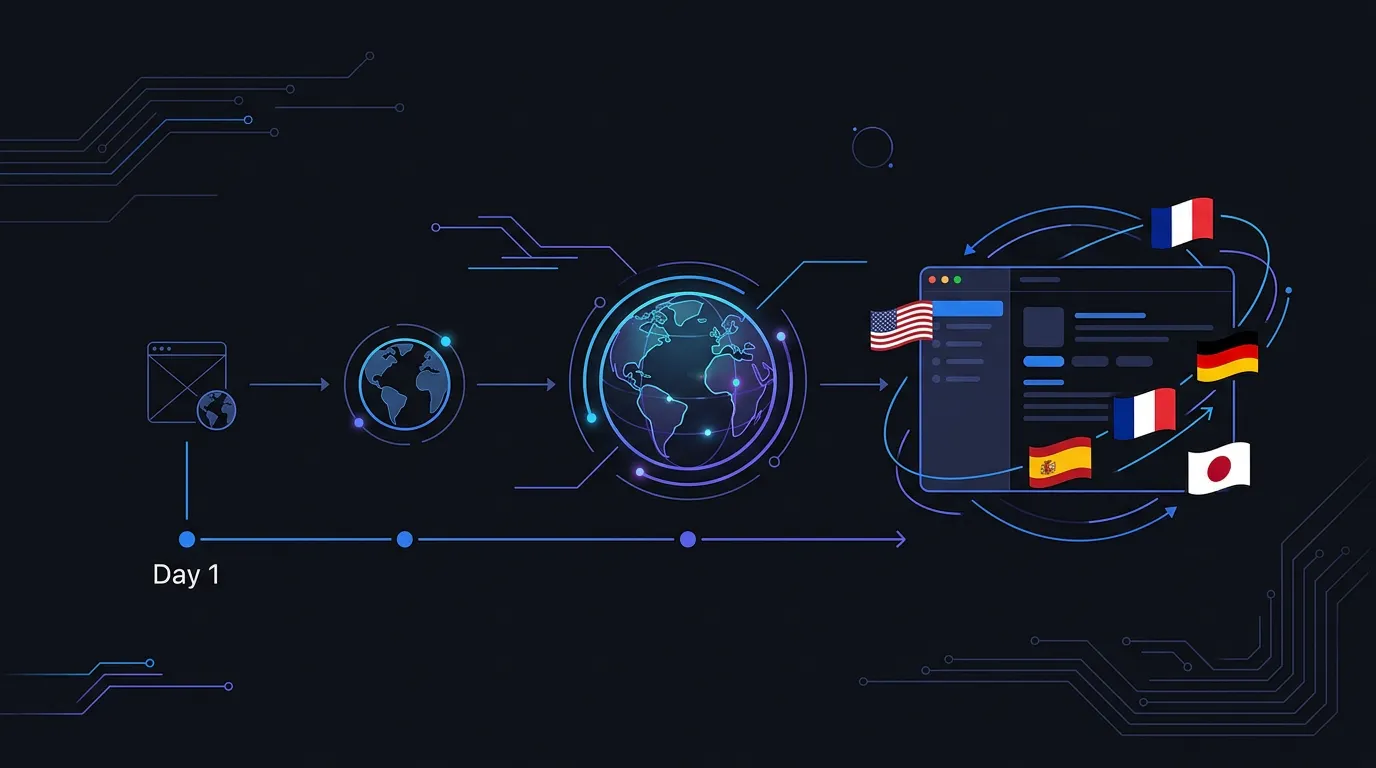
Why You Should Internationalize From Day One
Retrofitting internationalization into an existing app costs 3-5x more engineering time than building it in from the start. A team with 2,000 hardcode...
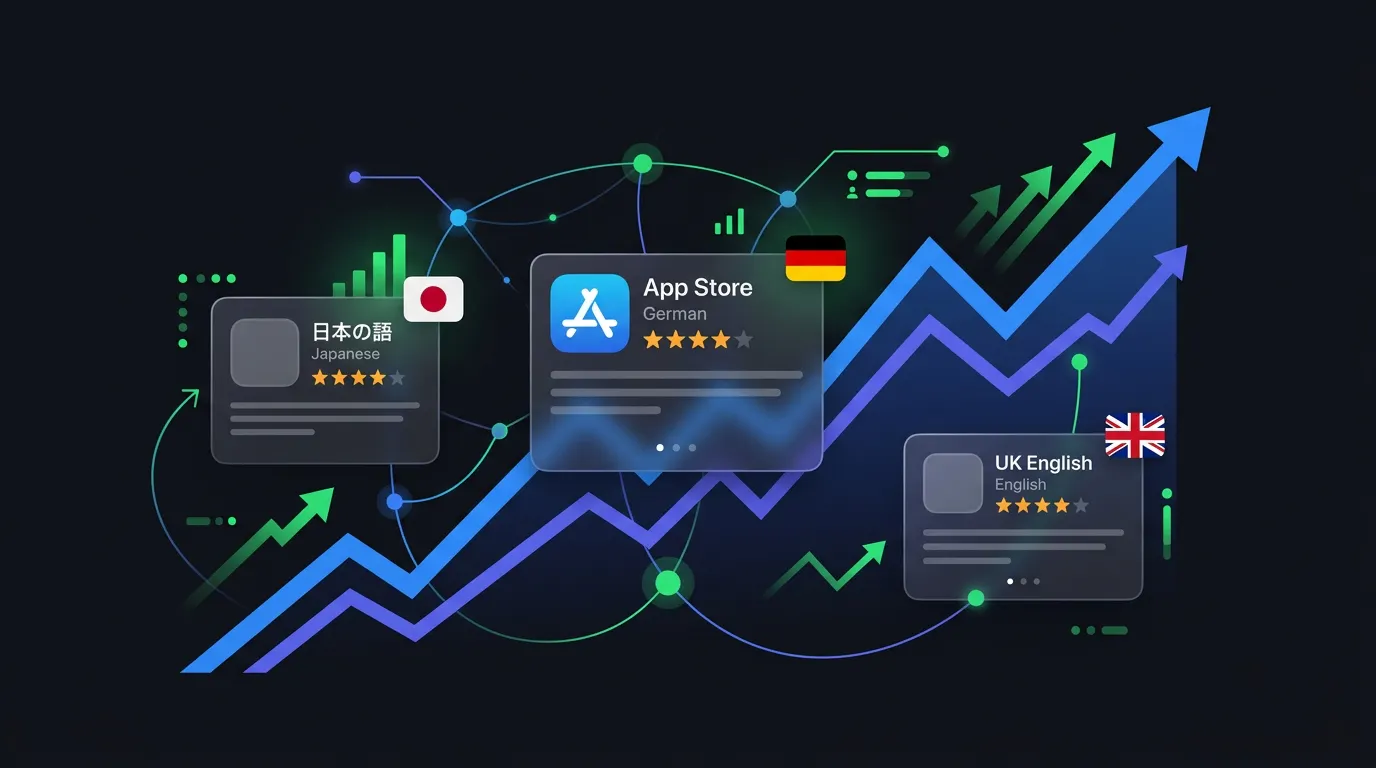
App Store Optimization Through Localization
Localized app store listings convert 30-50% better than English-only listings. When a user in Tokyo searches for a task manager, they search in Japane...
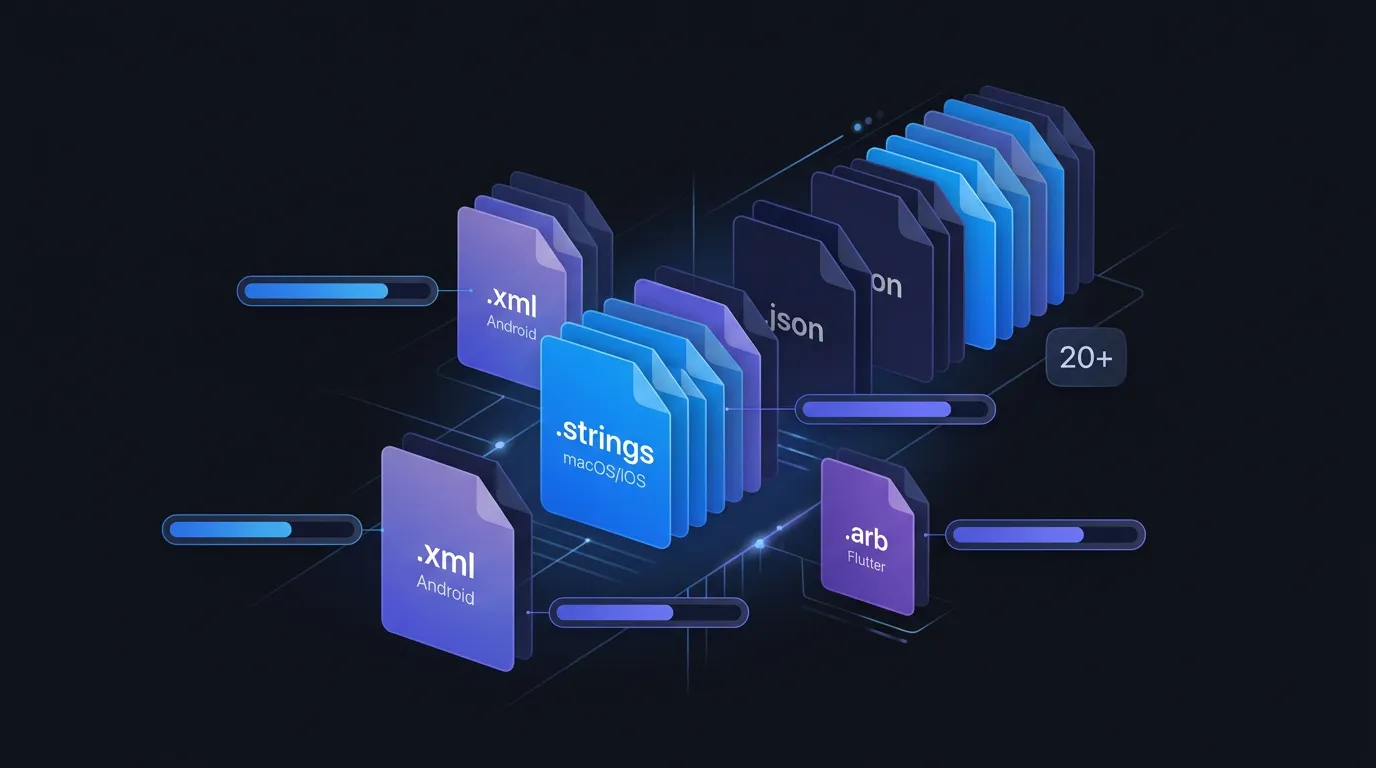
Managing Translation Files at Scale
At 20 languages and 2,000 strings, you are managing 40,000 translations. Merge conflicts in strings.xml, untranslated keys shipping to production, and...
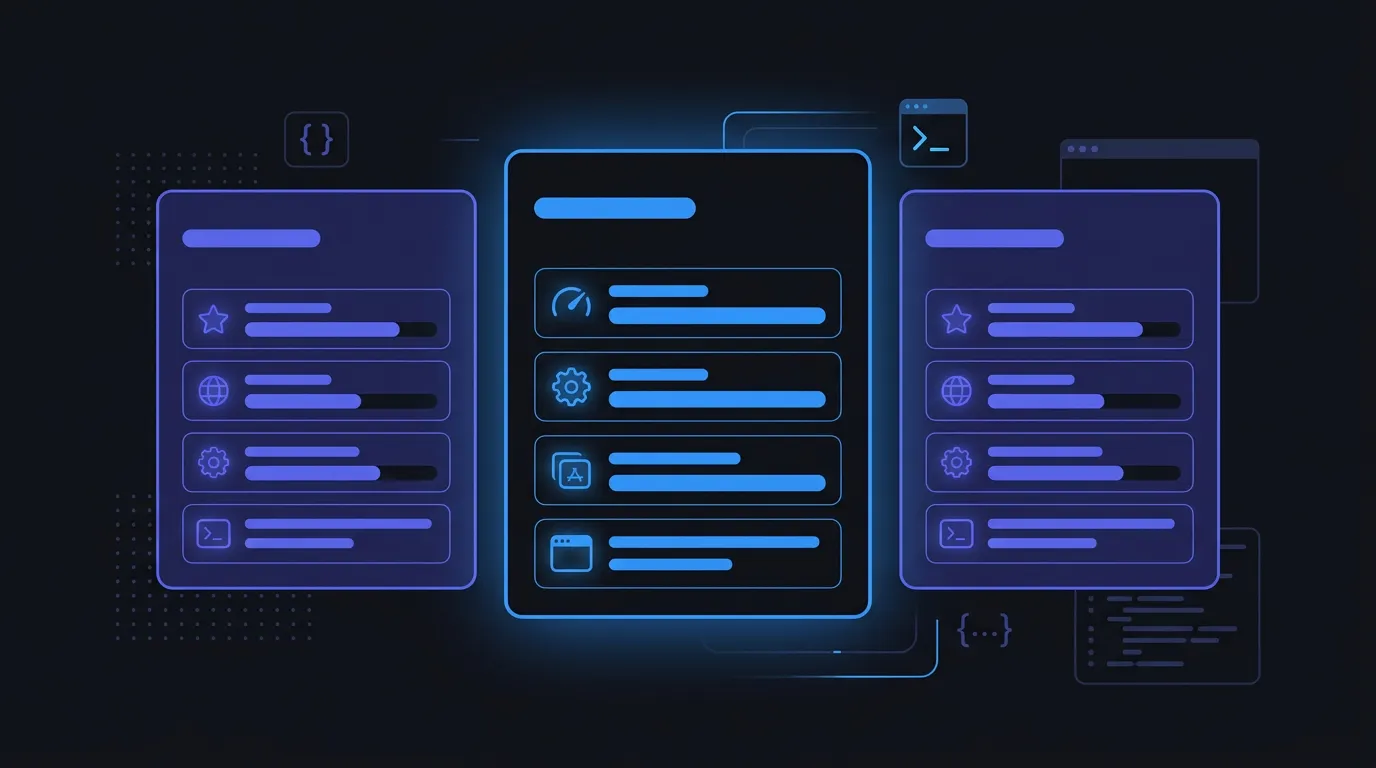
Choosing an App Localization Tool: 2026 Comparison
The localization tool market includes cloud platforms like Phrase and Lokalise, developer-first CLI tools like LocaleKit, and open-source options like...

Localization Testing Strategies for Mobile Apps
72% of localization bugs are layout issues - truncated text, overlapping elements, broken RTL alignment. These bugs rarely appear during development b...
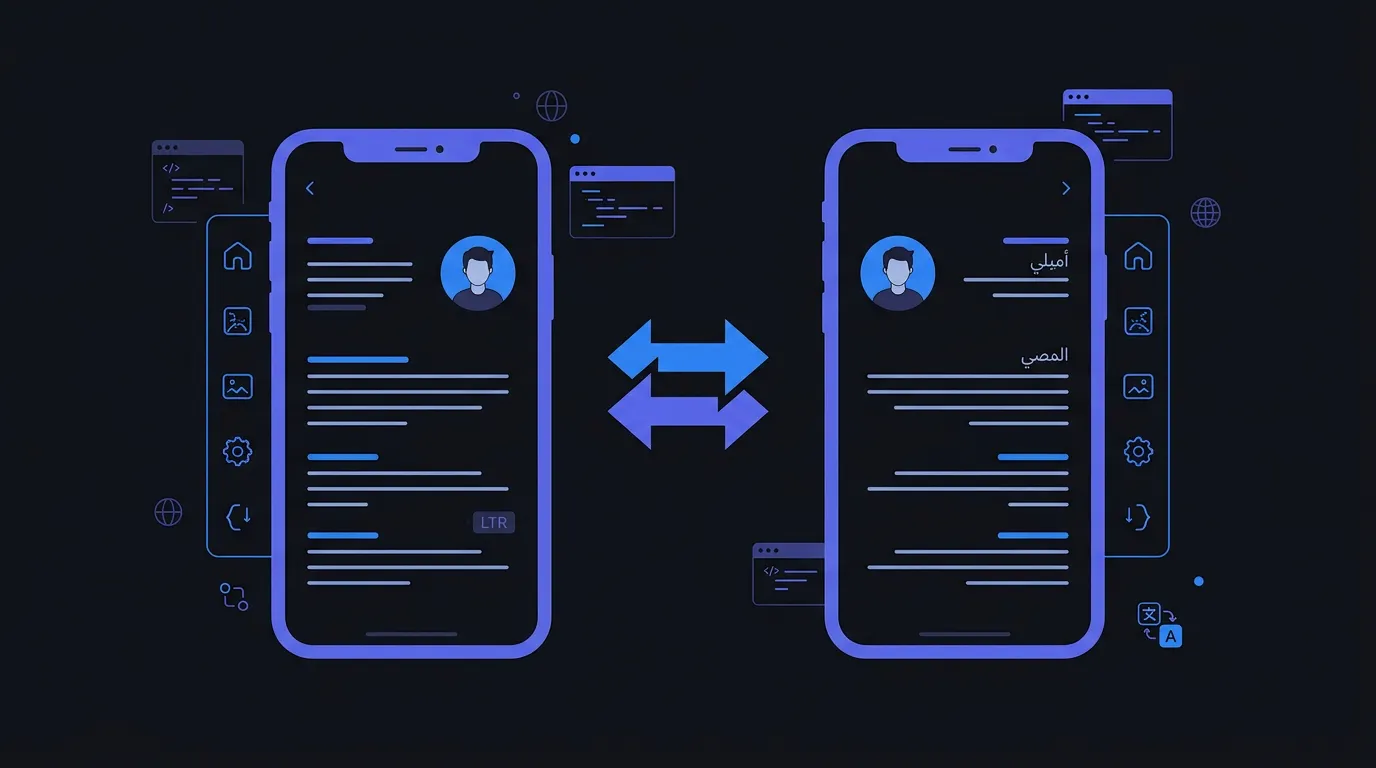
Right-to-Left (RTL) Support in Mobile Apps
Over 400 million people use right-to-left languages like Arabic, Hebrew, and Persian. RTL support goes beyond flipping the layout. Navigation, text al...

Flutter Internationalization Best Practices
Flutter handles internationalization through ARB (Application Resource Bundle) files and the intl package. Unlike iOS and Android where translations a...
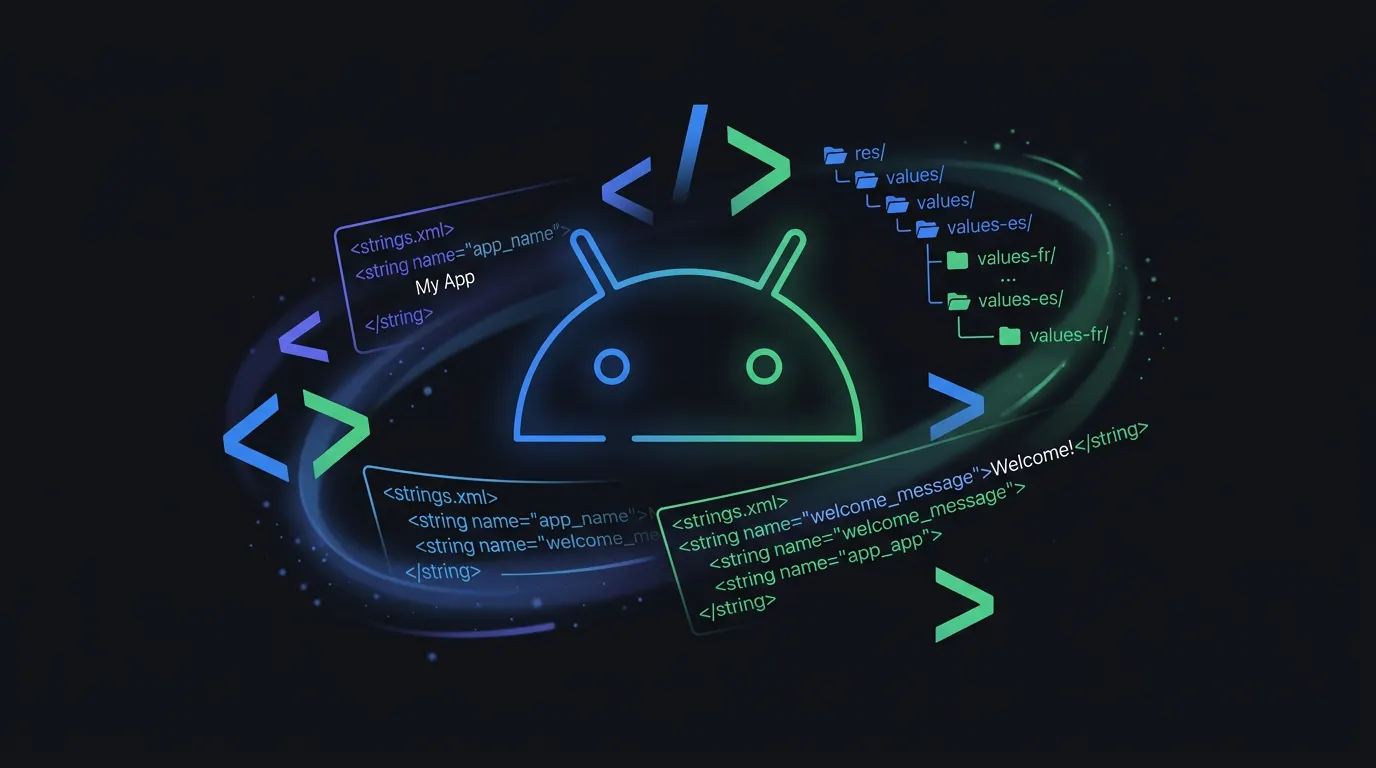
Complete Guide to Android App Localization
Android localization works through a resource directory system where each language gets its own strings.xml file under res/values-{locale}/. The Andro...
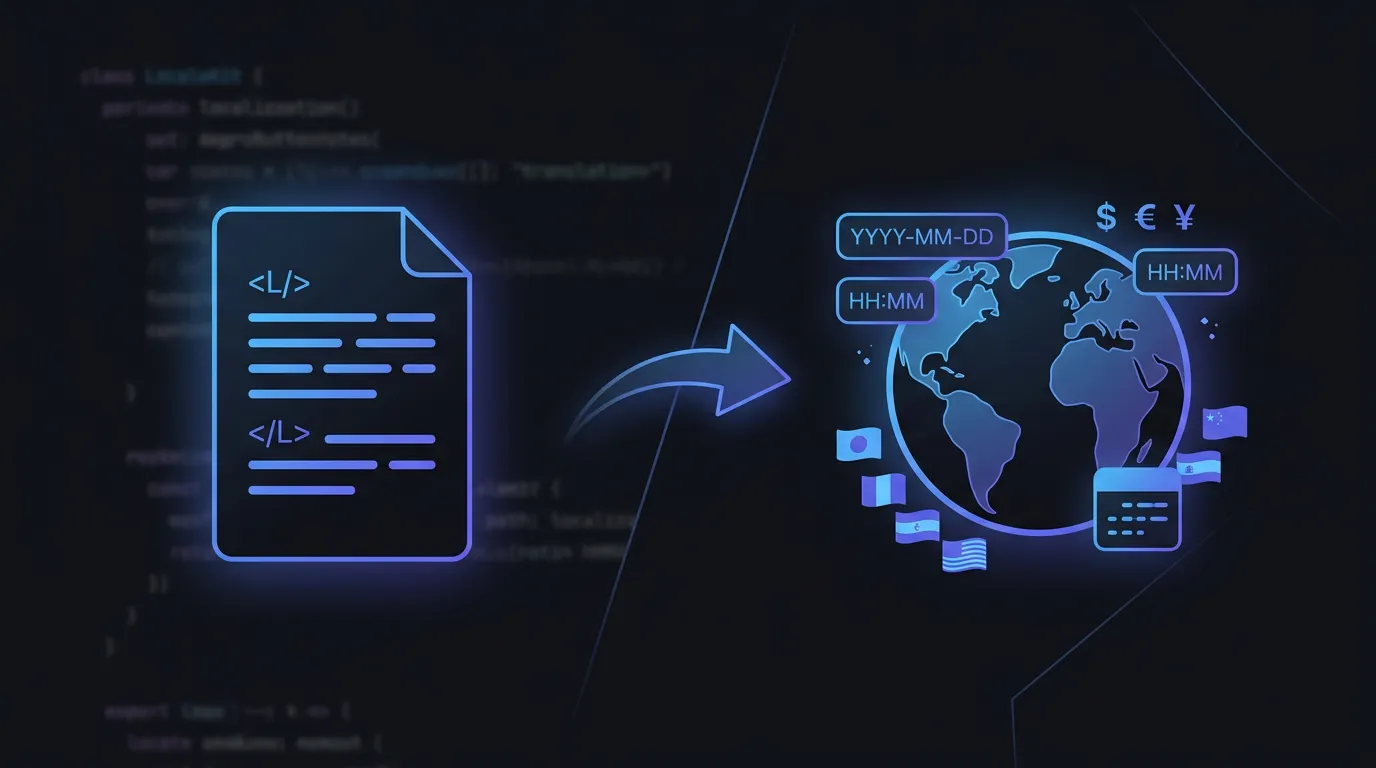
App Localization vs. Translation: What's the Difference?
Translation converts text from one language to another. Localization adapts the entire user experience - date formats, currencies, number separators, ...
How to Localize Your iOS App in Xcode
iOS localization is the process of adapting your app's text, images, and formatting for different languages using Xcode's built-in tools. Apps that su...
Stop managing translation files manually
LocaleKit detects, translates, and syncs all your localization files — iOS, Android, Flutter, and more. Everything runs locally on your machine.
Privacy-first. No cloud required.